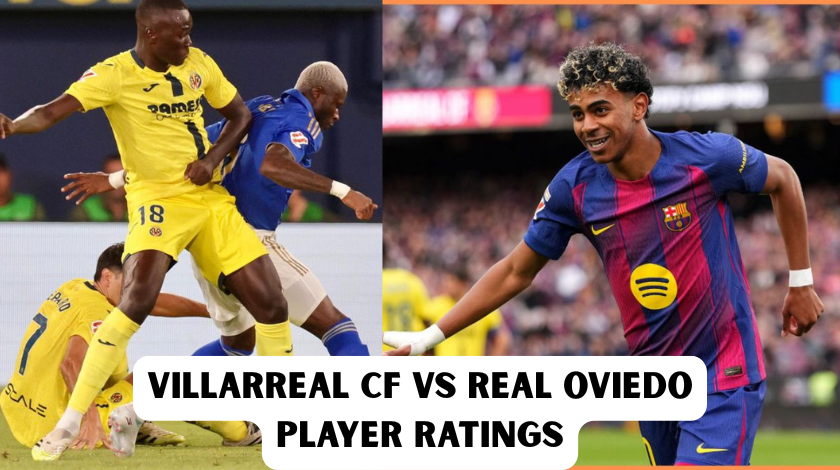
There is something genuinely special about the opening weekend of a new football season. The grass looks greener, the shirts look fresher, and every supporter carries that peculiar blend of hope and anxiety that only August can bring. When Villarreal CF welcomed Real Oviedo to the Estadio de la Cerámica on August 15, 2025, both sets of fans were living through that exact emotional cocktail. For Villarreal, this was about consolidating their status as one of Spain’s most consistent sides. For Real Oviedo, newly promoted or fighting to establish themselves, every point matters when you are operating on a different budgetary planet compared to the Yellow Submarine.
I have been watching La Liga for the better part of two decades now, and what struck me immediately about this fixture was the contrast in expectations. Villarreal came into this match with genuine European ambitions, having strengthened their squad during the summer window. Real Oviedo, meanwhile, were looking at this as a free hit of sorts, a chance to test themselves against quality opposition without the weight of overwhelming expectation. The final score of 2-0 to Villarreal tells only a fraction of the story. The real narrative lies in the individual performances, the tactical battles won and lost, and those small moments that decide tight contests.
What I want to do in this article is take you through every single player who featured in this match, rating their performance honestly and explaining exactly why they earned that mark. I will not just throw numbers at you. I will tell you what I saw, what the statistics confirm, and what this means for both clubs moving forward. Whether you are a die-hard Villarreal supporter, an Oviedo fan searching for positives, or simply a neutral who loves detailed football analysis, this breakdown should give you everything you need.
Match Overview and Context
Before diving into the individual ratings, we need to understand the environment these players were operating in. The August heat in Castellón can be oppressive, and the 7:30 PM kickoff local time meant the temperature was still hovering around 28 degrees Celsius when the referee blew his whistle. These conditions matter because they affect player stamina, particularly for visiting teams unaccustomed to such humidity.
Villarreal lined up in what looked like a 4-4-2 on paper, though it morphed into a more fluid formation during possession. Real Oviedo appeared to be attempting a conservative 4-5-1 approach, looking to stay compact and hit on the counter. The problem with such strategies against technically superior opponents is that you need perfect execution, and one moment of indiscipline can unravel the entire game plan.
That moment came relatively early. According to match records, Real Oviedo’s midfielder Alberto Reina received a red card for a second yellow, reducing his side to ten men and fundamentally altering the contest
. When you are already the underdog, playing with ten men for the majority of the match against a side of Villarreal’s quality is essentially a death sentence for your hopes of taking anything from the game.
The statistics paint a clear picture of Villarreal’s dominance. They enjoyed 67.8 per cent possession, fired 25 shots with 10 on target, and won 10 corner kicks compared to Real Oviedo’s solitary flag kick
. These are not just numbers on a page. They represent sustained pressure, territorial dominance, and the kind of control that allows defenders to play higher up the pitch. At the same time, attackers can afford to be patient in their build-up play.
Villarreal CF Player Ratings
Goalkeeper and Defensive Foundation
Luiz Júnior (Goalkeeper) – 7.2/10
The Brazilian goalkeeper had one of those afternoons where his biggest challenge was maintaining concentration. When your outfield teammates are dominating possession and territory to this extent, goalkeepers can become spectators for long stretches. What impressed me about Luiz Júnior was his communication and positioning. He was constantly organising his defence, ensuring the backline maintained its shape even when Villarreal were camped in the opposition half. He made four saves according to the official match statistics, and while none of them was particularly spectacular diving stops, they were all important moments that prevented Real Oviedo from building any momentum
. His distribution was calm and accurate, helping Villarreal recycle possession when Oviedo attempted to press. In modern football, a goalkeeper’s ability to contribute to the build-up play is almost as important as shot-stopping, and Luiz Júnior demonstrated why he is trusted between the sticks.
Sergi Cardona (Right Back) – 7.0/10
Cardona has developed into a reliable presence on Villarreal’s right flank, and this performance was typical of his steady improvement. Defensively, he was rarely troubled because Real Oviedo offered minimal wide threat, but he maintained his positioning discipline rather than drifting inside unnecessarily. What I particularly liked was his support for the attack. He overlapped intelligently, creating width that allowed the right-sided midfielder to cut inside onto his stronger foot. His crossing was decent without being spectacular, and he won most of his aerial duels when tested. Cardona’s game is now mature, unlike his earlier career. He understands his role within this team and executes it with minimal fuss.
Rafa Marín (Centre Back) – 7.1/10
Marín is one of those defenders who do not grab headlines but whose contributions are vital to team success. Against Real Oviedo, he was excellent at reading the game. Time and again, he stepped forward to intercept passes before they could reach the lone striker, effectively cutting off the supply line at its source. His aerial dominance was evident in both penalty areas, and he completed a high percentage of his passes when building from the back. I noticed his leadership qualities, too: he constantly talked to his defensive partners and organised the line. When you are playing against ten men for most of the match, the temptation is to switch off mentally. Marín never allowed that to happen, maintaining his concentration throughout.
Juan Foyth (Centre Back) – 6.9/10
Foyth is a player I have followed since his days in English football, and he has certainly developed into a more complete defender during his time in Spain. This was a solid if unspectacular performance from the Argentine. He dealt competently with the limited threat Real Oviedo posed, making several important clearances when crosses came into the box. Where I felt he could have improved was in his aggression. There were moments when he allowed attackers too much space, perhaps respecting their pace when he could have stepped in and won the ball earlier. His passing was generally accurate, though he occasionally chose the safe option when a more ambitious pass might have unlocked the Oviedo defence. A good performance, but not one that will feature heavily in his career highlights reel.
Santiago Mouriño (Left Back) – 7.0/10
Mouriño offers Villarreal genuine energy from the left-back position, and that was evident throughout this match. His stamina levels are remarkable, constantly bombing forward to support attacks before tracking back to fulfil his defensive duties. I counted at least six occasions where he overlapped the left winger to deliver crosses into the box. Defensively, he was rarely tested because Real Oviedo’s attacking threat was minimal, but he positioned himself well to cut out any potential danger. His rating reflects a very professional display, doing exactly what was required without trying to be the hero. In a match where Villarreal needed patience and persistence, Mouriño provided the width that stretched Oviedo’s defensive block.
Midfield Control and Creativity
Santi Comesaña (Central Midfield) – 7.3/10
Comesaña has become something of a metronome for this Villarreal side, and his performance here was exactly what you would expect from a player in his role. He sat deep, recycled possession efficiently, and broke up Real Oviedo’s rare attempts to counter-attack. What I appreciate about Comesaña is his tactical intelligence. He knows when to play the simple pass and when to switch the point of attack with a longer diagonal. His passing accuracy was excellent, and he won several important second balls that allowed Villarreal to maintain their attacking momentum. Against ten men, his job was essentially to keep the ball moving and prevent any counter-attacking opportunities. He executed that plan perfectly.
Pape Gueye (Central Midfield) – 8.0/10 (Man of the Match)
If there was one player who truly stamped his authority on this game, it was Pape Gueye. The Senegalese midfielder has been a revelation since joining Villarreal, and this performance showcased exactly why he has become so important to their system. Not only did he score a goal, but his overall contribution to both phases of play was outstanding
. Gueye possesses that rare combination of physical power and technical quality. He can win a tackle with his strength, then carry the ball forward with surprising grace for a player of his build. His goal was well-taken, arriving at the right moment to convert a chance that came from sustained pressure. Beyond the goal, he completed more passes than any other Villarreal player and won the majority of his duels. When I watch Gueye play, I am reminded of the classic box-to-box midfielders of the 1990s, players who could genuinely influence both ends of the pitch. At just 26, he is entering his prime, and performances like this suggest he could attract interest from Europe’s elite clubs if Villarreal decides to sell.
Nicolas Pépé (Right Midfield) – 7.4/10
Pépé is a player who divides opinion among football analysts. His talent has never been in question, but consistency has sometimes eluded him during his career. This performance was one of his better ones in a Villarreal shirt. Operating on the right flank, he was a constant threat with his direct running and willingness to take on defenders. Crucially, he provided the assist for Gueye’s goal, demonstrating that he can contribute to the team’s creative output rather than just focusing on individual glory
. I liked his movement off the ball, constantly looking to receive in dangerous areas and stretching the Real Oviedo defence horizontally. Defensively, he tracked back when required, though this will never be the strongest aspect of his game. Overall, a very positive contribution that will have pleased his manager.
Yéremy Pino (Left Wing) – 7.0/10
Pino is one of the most exciting young Spanish talents, and matches like this give him the platform to showcase his abilities. Playing on the left wing, he used his pace and low centre of gravity to trouble the Real Oviedo right-back throughout the contest. There were moments of genuine brilliance, little bursts of acceleration that left defenders trailing in his wake. However, I felt his end product could have been better. He created several promising situations but sometimes chose the wrong option in the final third, either overcomplicating the play or delaying his pass until the opportunity had passed. That is the difference between a good player and a great one, and it is something Pino will improve with experience. At just 22 years old, he has time on his side, and performances like this, while not perfect, show the potential that has clubs across Europe monitoring his development.
Attacking Threat and Goal Scorers
Etta Eyong (Striker) – 7.9/10
Eyong’s rating is boosted significantly by his goal, which was a well-taken finish that demonstrated his predatory instincts in the penalty area
. What I liked about his overall performance was his movement. He constantly made runs across the shoulder of the last defender, trying to exploit any space behind Real Oviedo’s backline. Against a deep-lying defence, this is crucial because it forces defenders to decide whether to drop deeper or hold their line. Eyong’s physical presence also allowed him to hold up the ball when Villarreal needed to relieve pressure, bringing teammates into play with simple but effective lay-offs. His link-up play with Gerard Moreno showed promising signs of a developing partnership. If he can maintain this level of performance throughout the season, Villarreal will have a genuine goal threat to complement their creative midfielders.
Gerard Moreno (Striker) – 7.0/10
Moreno is a club legend at Villarreal, and even when he is not at his absolute best, his intelligence and movement make him a valuable presence on the pitch. This was not a vintage Moreno performance in terms of goal output, but his contribution to the team’s overall play was significant. He dropped deep to link play, creating space for Eyong to run into behind him. His passing in tight areas was typically accurate, and he won several free kicks in dangerous positions through clever body positioning. I noticed one moment in the second half where he received the ball with his back to goal, turned brilliantly, and forced a good save from the Oviedo goalkeeper
. That kind of moment reminds you of his quality, even when the goals aren’t flowing. At 32 years old, he may not have the explosive pace of his younger days, but his football brain remains as sharp as ever.
Substitute Contributions
Thomas Partey (Central Midfield) – 6.8/10
Partey came on to help see out the game, and he did exactly what was required. His experience was evident in the way he slowed the tempo when necessary and kept possession ticking over. There were no risks taken, no ambitious passes that might have invited pressure. It was a professional cameo from a player who has operated at the highest level for many years.
Alfonso Pedraza (Left Back) – 6.7/10
Pedraza replaced Mouriño and slotted in seamlessly. He offered fresh legs down the left flank and continued the pattern of overlapping runs that his predecessor had established. Defensively solid, he ensured there were no late surprises from Real Oviedo as the match entered its final stages.
Real Oviedo Player Ratings
Defensive Resilience Under Pressure
Aarón Escandell (Goalkeeper) – 6.9/10
If there is one Real Oviedo player who can hold his head high after this match, it is their goalkeeper. Escandell faced 25 shots, with 10 on target, and made eight saves to keep the scoreline respectable
. That is an extraordinary workload, and he responded with a display of concentration and shot-stopping ability that will have impressed scouts watching on. I particularly admired his positioning, which made several saves look easier than they actually were. His distribution was less impressive, often launching long balls that simply returned possession to Villarreal, but that is a minor criticism given the circumstances. When you are playing with ten men against superior opposition, your goalkeeper becomes your most important player, and Escandell very nearly earned his team a point through sheer force of will.
Nacho Vidal (Right Back) – 6.5/10
Vidal had a thankless task, trying to contain Yéremy Pino’s pace and trickery while receiving minimal support from his midfield. To his credit, he stuck to his task diligently, making several important tackles and interceptions. There were moments when Pino got the better of him, but that was to be expected given the quality differential and the numerical disadvantage his team faced. Vidal’s rating reflects solid defensive work without any major errors, though he offered virtually nothing in the future.
Oier Luengo (Centre Back) – 6.4/10
Luengo battled hard against Villarreal’s mobile forward line. He won his share of aerial duels and made several important blocks when shots came in from distance. Where he struggled was against the movement of Eyong and Moreno, who constantly dragged him out of position with their intelligent running. Playing with ten men means your defenders have to cover more ground, and eventually, that takes its toll. Luengo showed character and commitment, but the physical demands became clear as the match wore on.
Dani Calvo (Centre Back) – 6.3/10
Calvo found the going particularly tough against Villarreal’s combination play. There were moments when he seemed caught between pressing the ball carrier and dropping off to protect the space behind him, and that indecision led to a few awkward situations. He was not directly at fault for either goal, but his overall performance lacked the authority you want from a senior defender in difficult circumstances. The rating reflects a player who tried his best but was ultimately overwhelmed by the quality and quantity of Villarreal’s attacking play.
Rahim Alhassane (Left Back) – 6.2/10
Alhassane had the unenviable task of dealing with Nicolas Pépé’s direct running, and it was a long afternoon for the young defender. He was turned inside out on several occasions and struggled to cope with the physicality of the Ivorian winger. To his credit, he never stopped trying, and there were no catastrophic errors that directly led to the goals. However, this was a harsh lesson in the difference between second-tier football and La Liga quality.
Midfield Struggles and Discipline Issues
Kwasi Sibo (Central Midfield) – 6.7/10
Sibo worked tirelessly in a losing cause, covering ground and attempting to break up Villarreal’s passing rhythm whenever possible. His energy levels were impressive, constantly pressing and harrying opponents even when the cause looked hopeless. The problem was that he was essentially fighting a lone battle in midfield after his teammate’s dismissal. He completed some important tackles and won second balls, but he could not influence the game in an attacking sense because Real Oviedo rarely had possession in dangerous areas. A performance to be proud of on an individual level, even if the team result was disappointing.
Alberto Reina (Central Midfield) – 5.8/10
Reina’s afternoon was effectively over before it began, receiving a red card for a second yellow card offence that left his team with an impossible task
. I have watched football long enough to know that red cards can be harsh or fully deserved, and without seeing the exact incidents, it is difficult to judge the specific merit of each booking. What is undeniable is the impact his absence had on the match. Real Oviedo’s game plan relied on midfield compactness, and losing one of their two central midfielders destroyed that strategy. The low rating reflects both the disciplinary failure and the consequences it had for his teammates.
Attacking Limitations and Isolation
Ilyas Chaira (Attacking Midfield) – 6.5/10
Chaira is a technically gifted player who would have been looking forward to testing himself against La Liga opposition. Unfortunately, the circumstances of the match meant he saw very little of the ball in areas where he could hurt Villarreal. He spent most of the game tracking back to help his overrun midfield, and when he did receive possession, he was often too deep to influence the game creatively. There were one or two nice touches and clever passes, but essentially, this was a match where his talents were neutered by the situation rather than his own failings.
Haissem Hassan (Left Wing) – 6.3/10
Hassan tried to provide an outlet for his team with runs in behind the Villarreal defence. Still, the Yellow Submarine’s high defensive line and the lack of midfield support meant these runs rarely resulted in dangerous situations. He completed a few successful dribbles when he received the ball, showing the confidence to take on defenders despite the scoreline. However, his end product was lacking, and he was eventually substituted as Real Oviedo sought to shore up their defensive shape.
Salomón Rondón (Striker) – 6.2/10
Rondón is a player I have admired for many years, a traditional target man who has had a fine career across multiple leagues. At 35, however, he is no longer the player he once was, and this match highlighted the difficulties he now faces at this level. He was isolated for long periods, receiving minimal service from a midfield that was both outnumbered and outclassed. The key moment came when he had a penalty opportunity to bring Real Oviedo back into the match, but he failed to convert from the spot
. Penalty misses are always damaging, but when you are playing with ten men against a side like Villarreal, they effectively end your hopes of a comeback. Rondón worked hard and held up the ball when it reached him, but this was not an afternoon he will remember fondly.
Substitute Impact
Marco Esteban (Defender) – 6.4/10
Esteban came on to add fresh legs to a defence that was being run ragged, and he performed his duties adequately. There were no glaring errors, but neither was there any significant improvement in Real Oviedo’s defensive solidity.
Omar Falah (Defender) – 6.5/10
Falah provided energetic support and attempted to get forward when possible, though with Villarreal controlling possession to such an extent, his opportunities to influence the game were minimal—a decent cameo without any standout moments.
Top Performers and Key Takeaways
Having gone through every player individually, it is worth highlighting the performances that truly defined this match. Pape Gueye was the standout player, not just for his goal but for his complete dominance in the midfield battle. When a player wins the physical contest, controls the tempo, and contributes a goal, he deserves every plaudit coming his way. Etta Eyong’s performance was also highly encouraging for Villarreal supporters, suggesting they may have found a genuine goal threat to lead their line this season.
For Real Oviedo, the only real positive was Aarón Escandell’s goalkeeping. When your goalkeeper makes eight saves and keeps the score to 2-0 despite facing 25 shots, he has done his job and then some. The concern for Oviedo will be the disciplinary issues that reduced them to ten men and the lack of attacking threat they posed, even before that dismissal.
From a tactical perspective, this match demonstrated the importance of maintaining full strength. Real Oviedo’s game plan was quite sensible in the first period, sitting deep and looking to frustrate Villarreal. The red card changed everything, forcing them into a damage-limitation exercise that they executed reasonably well but which offered no route back into the contest.
Conclusion
Player ratings are ultimately subjective, and different analysts will have slightly different opinions on specific performances. What is not subjective, however, is the pattern of the match and the clear quality differential between these two sides when Villarreal had their full complement of players against Real Oviedo’s ten men. The 2-0 scoreline feels about right given the balance of play, though Real Oviedo can consider themselves unfortunate to lose a player so early in the contest.
For Villarreal, this was the perfect start to their La Liga campaign. They controlled possession, created chances, and saw different players contribute to the victory. Gueye and Eyong will take the headlines, but this was a genuine team performance where every player contributed to a professional win. They will face tougher tests as the season progresses, particularly against the elite sides competing for the title. Still, this display showed they have the depth and quality to maintain their status as one of Spain’s most consistent clubs.
Real Oviedo will need to move on quickly from this result. The red card was unfortunate, but they cannot allow one difficult afternoon to define their season. Escandell’s performance showed they have players capable of competing at this level. If they can maintain discipline and organisation in future matches, they will give themselves a chance to achieve their objectives this season. The step up from the second tier is significant, and this match provided a harsh but potentially valuable lesson in what it takes to compete with established La Liga sides.
As someone who watches a lot of football, I always find these early-season matches fascinating for what they reveal about teams’ intentions and capabilities. Villarreal look ready to challenge for European places again. Real Oviedo looks like they have work to do, but also possess the fighting spirit that could keep them competitive. The player ratings reflect these broader narratives, individual performances that combine to tell the story of a match that was perhaps more interesting than the 2-0 scoreline initially suggests.
Frequently Asked Questions
Q: Who was the best player in the Villarreal vs Real Oviedo match? A: Pape Gueye earned the highest rating with 8.0/10, scoring a goal and dominating midfield with his combination of physical power and technical quality.
Q: What was the final score between Villarreal and Real Oviedo? A: Villarreal won 2-0, with goals from Etta Eyong and Pape Gueye on August 15, 2025, at the Estadio de la Cerámica.
Q: Why did Real Oviedo struggle in this match? A: Real Oviedo had a player sent off early in the match when Alberto Reina received a red card for a second yellow, forcing them to play with ten men for most of the game against superior opposition.
Q: How are player ratings calculated? A: Player ratings combine statistical analysis (passes completed, tackles won, shots on target, etc.) with subjective assessment of contribution to the team’s tactical plan and overall influence on the match.
Q: Which goalkeeper performed better in this match? A: While Luiz Júnior was solid for Villarreal, Real Oviedo’s Aarón Escandell had the busier and more impressive performance, making eight saves despite facing 25 shots.
Q: What formation did Villarreal use against Real Oviedo? A: Villarreal appeared to set up in a 4-4-2 formation that morphed into a more fluid shape during possession phases, with full-backs pushing high and midfielders rotating positions.
